
toughened laminated glass
Understanding Water Gate Valve Types Water gate valves are essential components in various water management systems, serving as crucial mechanisms for controlling the flow of water. As the industry progresses, the technology and design of these valves have evolved, leading to a range of types that cater to different operational needs and environments. In this article, we will delve into the primary types of water gate valves, their applications, and their advantages. 1. Wedge Gate Valves Wedge gate valves are among the most commonly used types in water applications. They feature a wedge-shaped gate that fits snugly in the valve body when closed, ensuring a tight seal and preventing flow. The main advantage of wedge gate valves is their ability to handle high pressure and temperature, making them suitable for various environments, including water distribution systems and industrial applications. Applications Wedge gate valves are commonly found in municipal water supply systems, wastewater treatment facilities, and irrigation systems. Their robust design and reliability make them a preferred choice for infrastructure projects. 2. Parallel Slide Gate Valves Parallel slide gate valves utilize two parallel gates that move in and out of the valve body to control flow. This design ensures a minimal turbulence and allows for smoother operation, especially in larger pipelines. Unlike wedge gate valves, parallel slide valves provide a more consistent sealing surface, which can improve longevity and reduce wear. Advantages One of the key advantages is their low torque requirement for operation, which translates to reduced wear on the actuator and longer service life. They are particularly effective in applications where the flow rate must be controlled with precision. Applications These valves are often used in large-scale industrial applications, such as power plants and large water treatment facilities, where high flow rates need to be managed. 3. Butterfly Valves While not traditionally classified as gate valves, butterfly valves serve a similar purpose by regulating flow. They consist of a disc that rotates around a shaft; when the disc is parallel to the flow, the valve is open, and when it is perpendicular, the valve is closed. Butterfly valves are lightweight and compact, making them ideal for applications with space constraints. Advantages The primary benefit of butterfly valves is their ease of operation and low pressure drop, making them efficient for many flow scenarios. They can also be used for throttling flow in addition to acting as a shut-off valve. water gate valve types Applications Commonly utilized in water supply, wastewater treatment, and fire protection systems, butterfly valves are favored for their straightforward design and ease of maintenance . 4. Knife Gate Valves Knife gate valves are designed for applications that involve slurries or solids in the flow. They feature a sharpened gate that can cut through material, which makes them suitable for handling thick fluids and sludge. This type of valve is particularly valuable in wastewater treatment and mining industries. Advantages The design allows for easy clearing of material that might accumulate around the valve, reducing the risk of clogging. They are also available in manual and automated versions, providing flexibility in operation. Applications Knife gate valves are widely used in sewage treatment plants, paper mills, and chemical processing industries. 5. Pneumatic and Electric Gate Valves Pneumatic and electric gate valves are operated using air or electric actuators, making them ideal for remote operation in applications where manual handling is impractical. These valves provide quick and reliable control over water flow, enhancing efficiency in operations. Advantages The automation of valve operation improves safety and reduces the need for human intervention, leading to more consistent performance and reduced operational costs. Applications They are frequently used in large-scale water distribution systems, where the ability to quickly control flow is critical. Conclusion The selection of the appropriate water gate valve type depends on various factors, including the specific application, pressure requirements, and environmental conditions. Understanding the different types of valves and their advantages can help ensure efficient water management and infrastructure systems. Whether deploying wedge, parallel slide, butterfly, knife gate, or automated valves, each type plays a pivotal role in the control and distribution of water resources in a safe and effective manner.
about
toughened laminated glass
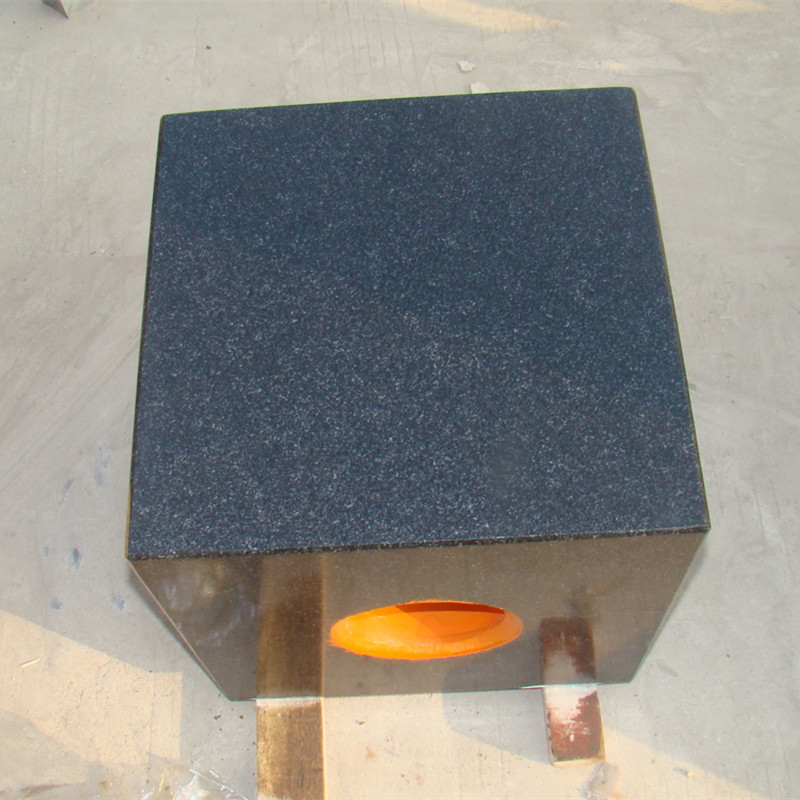
Precision Granite Master Square The Benchmark of Accuracy in Metalworking In the realm of precision measurement tools, few items are as essential as the granite master square. The precision granite master square is a highly regarded instrument in metalworking and machining, revered for its accuracy and reliability. This tool serves as a cornerstone for ensuring that parts and assemblies meet stringent tolerances, making it indispensable in fields ranging from engineering to woodworking. Understanding the Granite Master Square At its core, the granite master square is a L-shaped tool made from high-quality granite. The choice of granite as the material stems from its unique properties it is dense, stable, and resistant to wear and deformation. Unlike metal squares that can warp or lose their edges over time, a granite master square maintains its precision across years of use. This stability is crucial for achieving consistent and accurate results, especially in environments where temperature variations and heavy usage might compromise other measurement tools. Design and Features A typical precision granite master square includes two arms that meet at a right angle. Each arm is meticulously ground and polished to create a flat surface that is uniform and devoid of imperfections. The edges are crafted to be sharp and true, allowing for accurate height measurements and alignment checks . The surface finish of a granite master square is pivotal; the finer the finish, the more accurate the reading. Many granite master squares come with engraved calibration markings. These markings assist professionals not only in making accurate measurements but also in quickly assessing the dimensions of workpieces. The clear visibility of these markings is crucial during detailed work where precision is paramount. Applications in Metalworking precision granite master square The granite master square has a variety of applications in the metalworking industry. It is often used for setting up machinery, checking squareness in machining operations, and verifying the accuracy of manufactured parts. For instance, when fabricating a new component, a machinist can use the granite master square to ensure that the corners of the piece are perfectly square. This verification step helps prevent problems down the line, such as misalignment or difficulties during assembly. Another critical use of the granite master square is in quality control processes. Inspectors rely on this tool to measure critical dimensions and geometrical features of parts. By ensuring that components adhere to required specifications, manufacturers can maintain high standards and reduce waste caused by defective parts. Benefits of Using a Granite Master Square One of the most significant advantages of using a precision granite master square is its accuracy. For many metalworkers, even a small deviation can lead to catastrophic failures in assembly or function. The granite master square provides the level of precision necessary to avoid such outcomes. Additionally, its robust nature means that it can withstand the rigors of a machine shop environment without losing its measuring properties. Moreover, granite master squares are relatively low maintenance compared to other measuring tools. They do not require recalibration as frequently as dial indicators or other electronic devices, making them a cost-effective choice for workshops looking to maintain a high level of efficiency. The non-porous surface of granite also makes it resistant to oil and contaminants, which is particularly advantageous in environments where exposure to substances could affect measurement integrity. Conclusion In conclusion, the precision granite master square stands as a symbol of accuracy and reliability in the metalworking industry. Its stable properties, precision manufacturing, and multifaceted applications make it an essential tool for both machinists and quality control inspectors. Investing in a high-quality granite master square is not just about acquiring a measuring tool; it's about ensuring the success of precision work and upholding standards of excellence. As the demand for precision in manufacturing continues to grow, the granite master square remains a fundamental instrument, quietly enabling the creation of high-quality parts and products that define the modern industrial landscape.
-

High quality industrial productsagement

High quality industrial products
View Details -

Meet the diverse needs of customers

Meet the diverse needs of customers
View Details -

Strict quality control

Strict quality control
View Details -

Top raw materials

Top raw materials
View Details -

Trusted supplier

Trusted supplier
View Details
Our application

news and information

Valve Automation_ Benefits of Motorized Control Systems
In today’s rapidly evolving industrial landscape, automation has become synonymous with efficiency,
Wholesale Supply for Valves and Fittings Solutions in Industrial Applications
The Dynamics of Valve Wholesale A Comprehensive Overview In the industrial sector, valves play a cru
Wichtigkeit der Genauigkeit in der modernen Mess- und Regeltechnik
Der Einfluss von Gauge C auf die moderne Technologie In der heutigen digitalen Welt spielen Präzisio
 English